
A Guide to Winter Hiking Equipment
Posted by Kevin Green on Jan 10th 2026
Key Takeaways:
- Don’t be afraid of too many layers of clothing. Layers are the most efficient way of fighting the cold.
- Don’t set out on a long hike without a sleeping bag and a blanket.
- Your boots are your most important piece of winter hiking gear. Choose them wisely.
- Don’t set out on a winter hike without a survival kit that includes a first-aid kit and emergency signaling gear.
So, you’re preparing for a winter hike. Great! Don’t forget, however, that nature can be unforgiving when temperatures drop, and snow covers the hills. To ensure safety while you’re having fun, this is the winter survival gear and clothing you absolutely can’t leave your home without.
Shop Extreme Cold Weather Gear
Sleeping Gear
When you sleep in the wilderness, whether you’re just taking an hour-long nap or getting a full night of rest, your priority should always be to conserve heat, and you can do so with a few methods.
First of all, sleep above the ground if possible. Whether you’re going to build your own bed or bring a cot with you, staying above the ground is crucial because the ground is a very poor insulator. Your body temperature will quickly drop, so make sure there’s at the very least a single layer of insulation between you and the ground.
Secondly, sleeping bags go a long way. They are more or less the perfect heating solution for outdoor sleeping (provided you’re not carrying a heater), so investing in one always pays off.
Finally, don’t forget to bring a wool survival blanket. This classic piece of gear has served hikers and campers for decades, earning a reputation as the old and reliable way to stay warm.
Winter Survival Clothing
Layers, layers, layers! That’s what we’re going to be focusing on when preparing for a winter hike. You absolutely cannot go on a hike without an undershirt, t-shirt, long-sleeved shirt, and a winter jacket.
Clothing
Extreme cold-weather clothing starts with the base layer: long underwear and a pair of thick socks. It’s actually recommended that you wear a pair of thinner socks under your thick socks to improve insulation. At the same time, it helps prevent calluses on your feet during long walks.
Gloves and a bandana, which you can also use as a mouth cover, are often things people forget. Your fingers quickly start to lose their grip in the extreme cold, while a mouth warmer makes breathing much easier by mitigating the sharpness of the air in your lungs.
Gear and Accessories
Army cold-weather gear is a very popular traditional style of outerwear for hikes in the extreme cold, if you’re looking for something trendy.
Finally, you should also think about sunglasses. It may sound counterintuitive at first because we associate sunlight with summer and the Bahamas. Still, the sun can be pretty intense during the winter, too, and it reflects off of snow, which can hamper your eyesight (and even damage it in extreme cases).
Boots
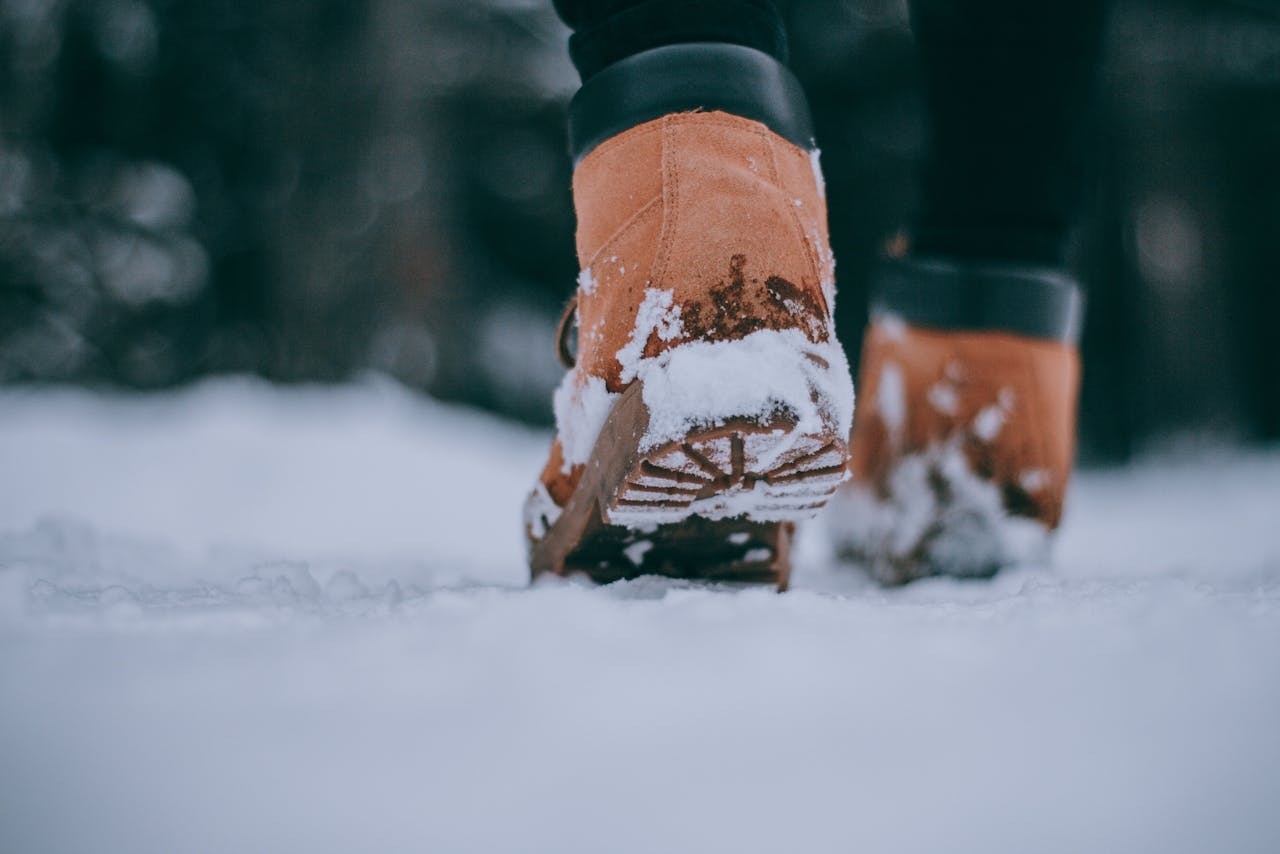
Your boots are probably the most important part of your winter hiking equipment, and here’s a list of things you should prioritize when choosing them:
- Always buy waterproof boots - wet feet in cold weather is a recipe for disaster (and illness)
- Insulation is incredibly important - while socks are expected to do their part, your feet will remain even warmer if you’re wearing insulated boots.
- If you’re hiking in icy conditions, make sure you buy boots that are compatible with crampons - crampons provide you with stability in an icy environment.
Crucial Survival Gear
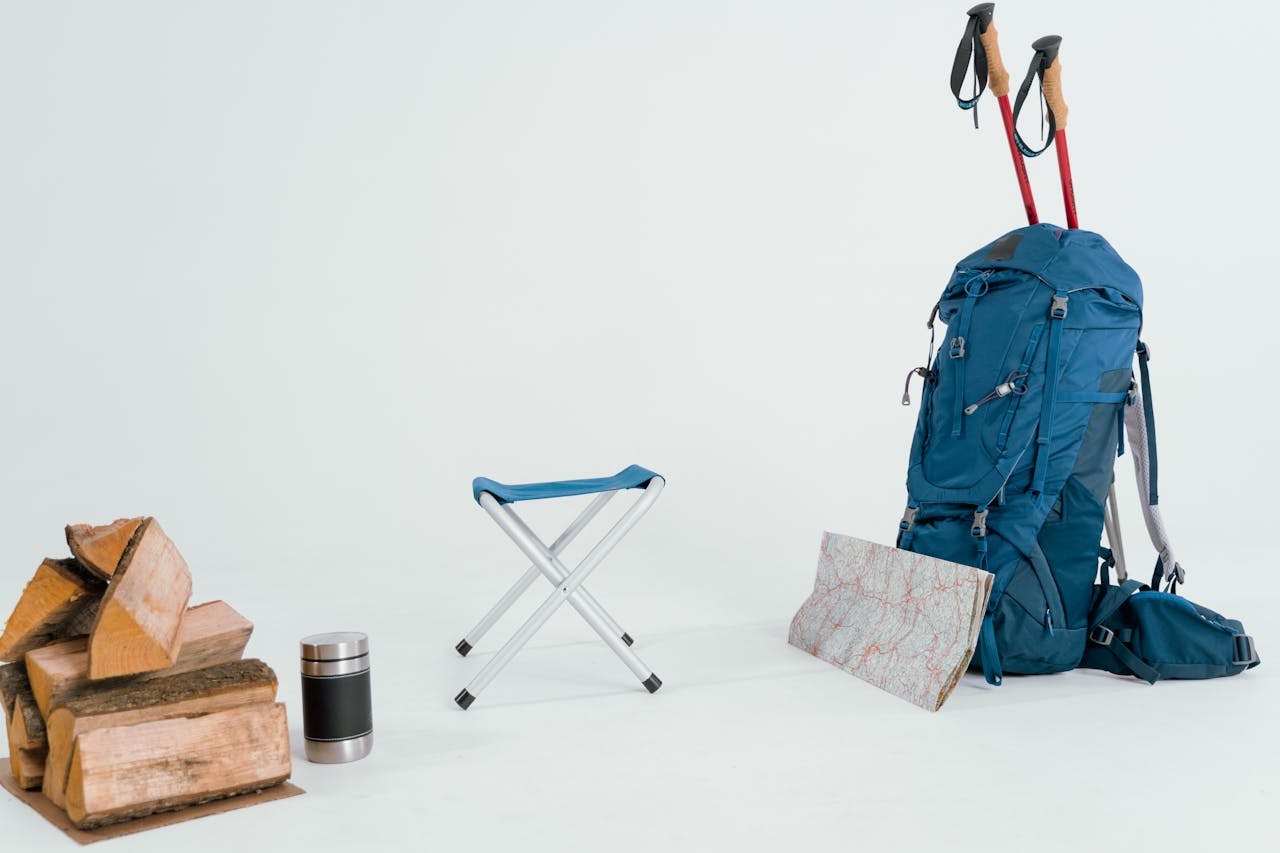
There are a few things that are widely regarded as winter hiking essentials for safety reasons. The first and most important is an extensive first-aid kit.
First Aid
First aid kits are standardized nowadays, but you’re free to build your own. What your first-aid kit absolutely has to contain for a winter hike is a safety blanket. Safety blankets are specifically designed to retain as much heat as possible, and they can make the difference between life and death if you’re suffering from hypothermia.
Beacons
Another very useful piece of winter survival gear is an avalanche beacon, which is especially important if you’re hiking down a snowy mountain. This is a device worn on your person that emits radio signals. In case you get caught in an avalanche, rescue services will be able to ping your exact location.
This device can also be used among a hiking party, as you can set it to both receive and emit a signal. If one of your party members gets lost or covered by snow, you can use your own beacon to locate them.
Axe
Finally, it’d be great if you packed an ice axe. Even if you’re not climbing a mountain, some hills are dangerously steep, and it’s not difficult to slip and fall down a hill covered in ice. In this horrific situation, grabbing your ice axe and slamming it into the ground can stop your fall and save your life.
Food and Water
There’s a difference between winter and summer hiking. During colder times, we burn more calories, so we need to pack more food or higher-calorie foods to compensate. A typical day-long hike in the winter can require anything from 2,000 to 3,500 calories (depending on your height and weight).
Some useful high-calorie foods that won’t freeze include:
- Dried fruit
- Bagels
- Dried meats
- Cheese
- Nuts
- Cookies
You can also always rely on MREs (Meals Ready to Eat) - pretty much every military in the world gives MREs to their troops as they’re easy to prepare and they’re packed with calories. If you do get an MRE, make sure to bring a water heater and basic cooking supplies (a small pot, a fork, and a knife). While you can eat an MRE raw, it’s not going to taste the best.
When it comes to water, a lot of hikers seem to think that you can’t dehydrate in the winter. That’s hogwash. You should always pack at least half a gallon on your person, while you can always melt snow for water.
There are two important things to note here:
- Do not just put snow in your mouth to hydrate - it can cause snow burns (also known as ice burns) inside your mouth.
- Do not hike with a water bladder - while they’re great when temperatures are relatively warm, they tend to freeze in the winter.
Hot drinks are also important, as they can boost morale when you’re very cold. Tea, coffee, hot chocolate - whatever you like will work.
FAQ
What gear is needed for winter hiking?
Winter hiking essentials include thick layers of clothes, a good pair of insulated, waterproof boots, sleeping gear, survival gear, food, and water.
Is 30 degrees too cold to hike?
No, 30 degrees is not too cold to hike if you’re properly prepared. However, poorly prepared hikers have ended up injured and in need of rescue at those temperatures. Hypothermia is a real risk.
What are good trail snacks?
Nuts, dried fruits, and dried meats are the best trail snacks for a winter hike - they won’t freeze.