

Packing a Hiking Pack for Beginners
Posted by Kevin Green on Jul 24th 2026
Key Takeaways
- Overpacking can cause injuries and overexertion on hikes.
- Every hiking essentials list for beginners should include navigation, sun protection, first aid, food and water, emergency tools, and an extra clothing layer.
- Packing a hiking pack can be done by zones: bulky items on the bottom, heavy gear in the middle, and essentials on top.
Staring at all your hiking equipment and wondering how it’s all going to fit in one backpack? You could cram everything into your bag and hope for the best. But you could also take a more intentional approach.
First things first, you likely don’t need all of that gear. Day hiking requires core essentials to stay safe on the trails, which includes much less than your 3-day hiking packing list.
Packing a hiking pack also matters, making all the difference between a comfortable hike and one marred by muscle strain. Plus, incorrect packing can lead to overexertion on even the simplest hikes. Follow our packing tips and hiking essentials list for beginners at Army Surplus World to ensure a safer, more enjoyable hike.
Day Hiking Essentials for Beginners
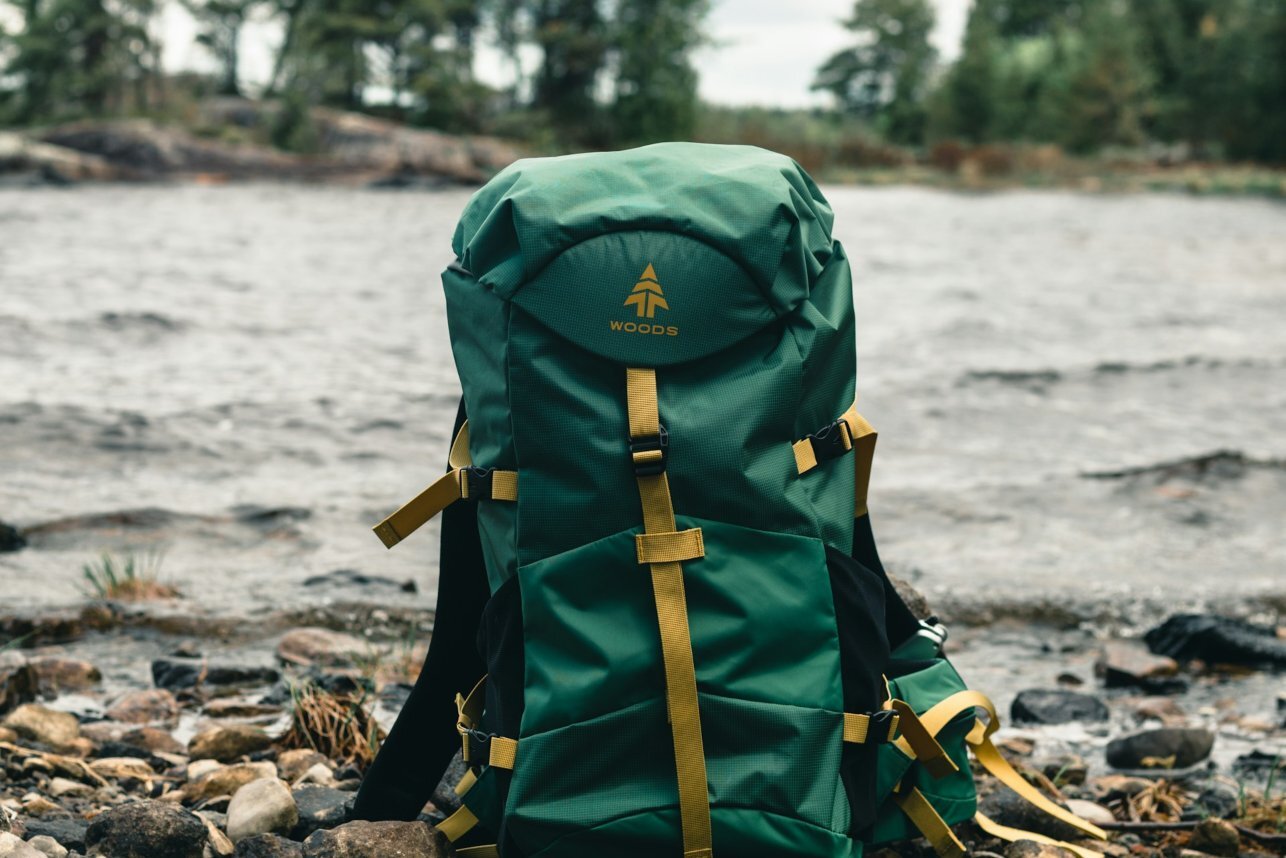
Overpacking is the biggest mistake beginners make when packing a hiking pack. Those “just in case” items quickly drain your energy and can cause back and knee pain.
We recommend sticking to the “Ten Essentials” at Army Surplus World. These foundational items keep you safe and comfortable on any outdoor adventure, and equip you for unexpected emergencies.
1. Navigation
Always carry a physical map and a military compass, even on a well-marked beginner trail. While your smartphone GPS is useful, it can fail due to battery life or spotty cell service.
2. Sun Protection
Protect yourself from harmful UV rays and sunburn by packing sun protection in a hiking pack. This includes:
- Sunscreen
- SPF lip balm
- UV400/Polarized sunglasses
- Wide-brimmed hat (boonie caps and ball caps are great options)
3. First Aid
Bring a ready-made first aid kit or pack your own using this hiking essentials list for beginners:
- Bandages and gauze
- Antibiotic ointment
- Antiseptic wipes
- Hydrocortisone cream
- Pain reliever
- Tweezers
- Blister tape
4. Fire Starter
While it’s unlikely you’ll need a fire starter, this is one “just in case” item you do want to bring. Not only are they crucial for emergency signaling, but they help ensure warmth in emergencies. Your fire starter can be waterproof matches, a lighter, or even a flint.
5. Hydration
Pack enough water for your planned hike. A good rule of thumb is to bring 0.5 liters for every hour. Double this amount for steep climbs, high heat, or dry conditions. We also suggest packing water purification in a hiking pack so you can safely drink from natural water sources.
6. Nutrition
Pack at least one day’s worth of calorie-dense food for your day hike. Foods like protein bars and military MREs will keep your energy up and ensure you have sustenance in case of an emergency or slower-than-expected pace.
7. Illumination
If you take a wrong turn, get injured, or just spend longer than anticipated enjoying the view, you might find yourself on the trail after sunset. So, even if it’s a day hike, make sure to bring a camping flashlight or headlamp. It’s much safer and more reliable than a phone flashlight!
8. Repair Tools
Bringing a repair kit and tools prevents equipment failures from ruining your hike. Day hiking essentials for beginners include duct tape, a tactical multi-tool, paracord and microcord, and a pocket knife to fix broken gear or make gear adjustments on the go.
9. Extra Clothing
Weather can change at the drop of a hat, especially in elevated areas and as evening approaches. Packing an extra layer in a hiking pack, such as a military poncho or lightweight MA-1 bomber jacket, allows you to remain comfortable and adapt to changing conditions.
10. Emergency Shelter
A must-have on any hiking essentials list for beginners, emergency shelter protects you from the elements if you’re unexpectedly forced to spend the night outdoors. Your shelter can be a:
- Military sleeping bag
- Woobie blanket
- Canvas tarp
- Bivy sack
Packing a Hiking Pack: The Basics
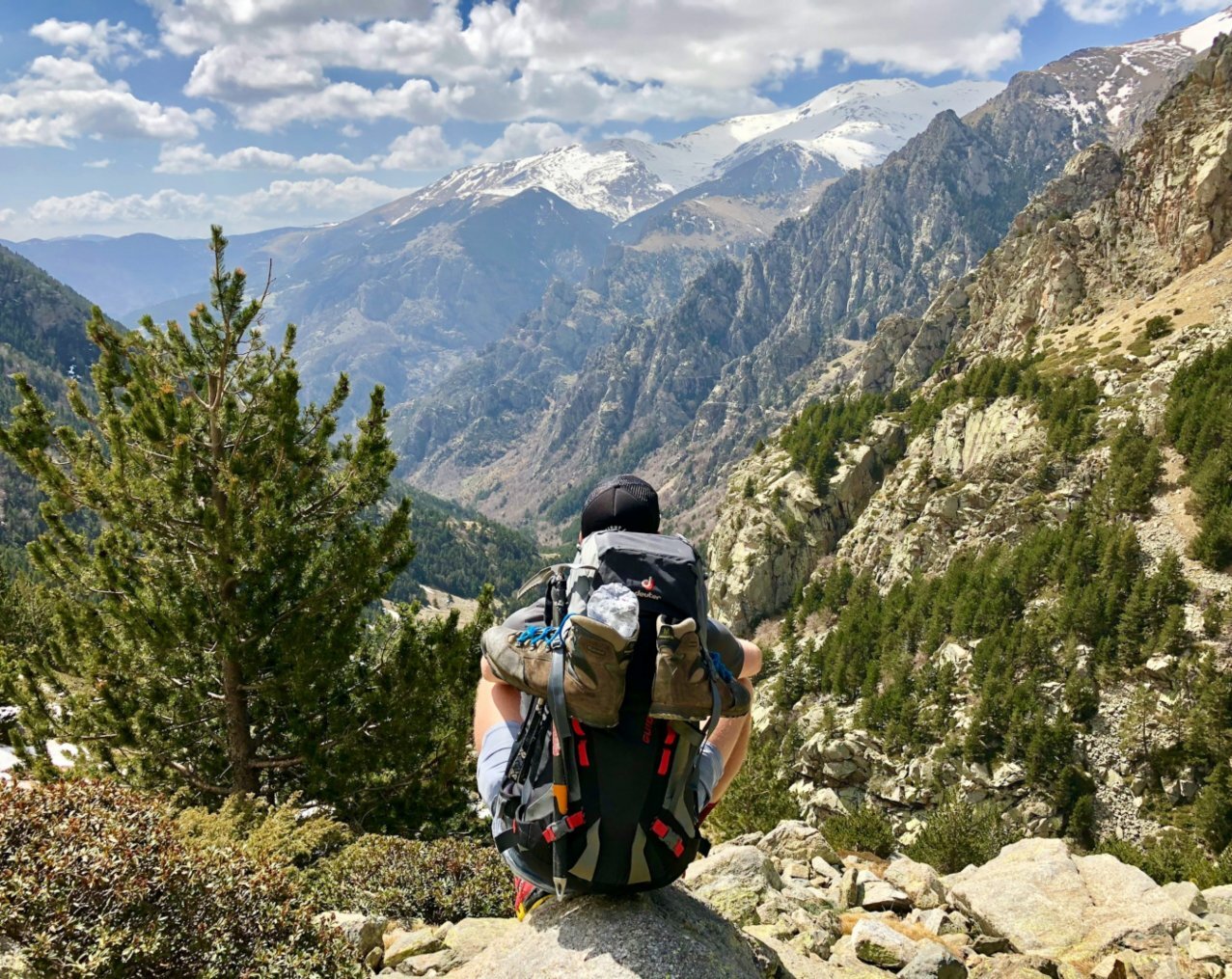
There’s no one right way to pack. However, you do want to be strategic with your layout. It’ll help ensure weight distribution, organization, and quick access to gear on the trail.
One of the easiest ways to achieve this is by packing your backpack by zones.
The Bottom Zone
Think of packing a hiking pack like stacking firewood or blocks, starting with lighter items to maintain a stable center of gravity.
- What It’s For: Lightweight, bulky items you won’t need until camp or an emergency.
- What It Includes: Extra clothing layers, sleeping bag, and your emergency shelter.
The Core Zone
By packing heavy gear directly against your back, you shift the weight to your hips instead of your shoulders.
- What It’s For: Your heavier and denser items.
- What It Includes: Your food stash (not snacks), hydration bladder, and cooking stove, if applicable.
Stuff soft items like an extra jacket around these items to eliminate dead space and keep your gear from shifting.
The Top Zone
Your essential items should be on top so you don’t have to unpack everything on the trail.
- What It’s For: Quick-access day hiking essentials for beginners.
- What It Includes: Water purification, first aid kit, and rain gear.
Pockets and External Storage
- What It’s For: Small essentials you need access to without digging through your main compartment.
- What It Includes: Your snacks, map and compass, sunscreen, and phone.
Packing a Hiking Pack Comes Down to Your Preferences
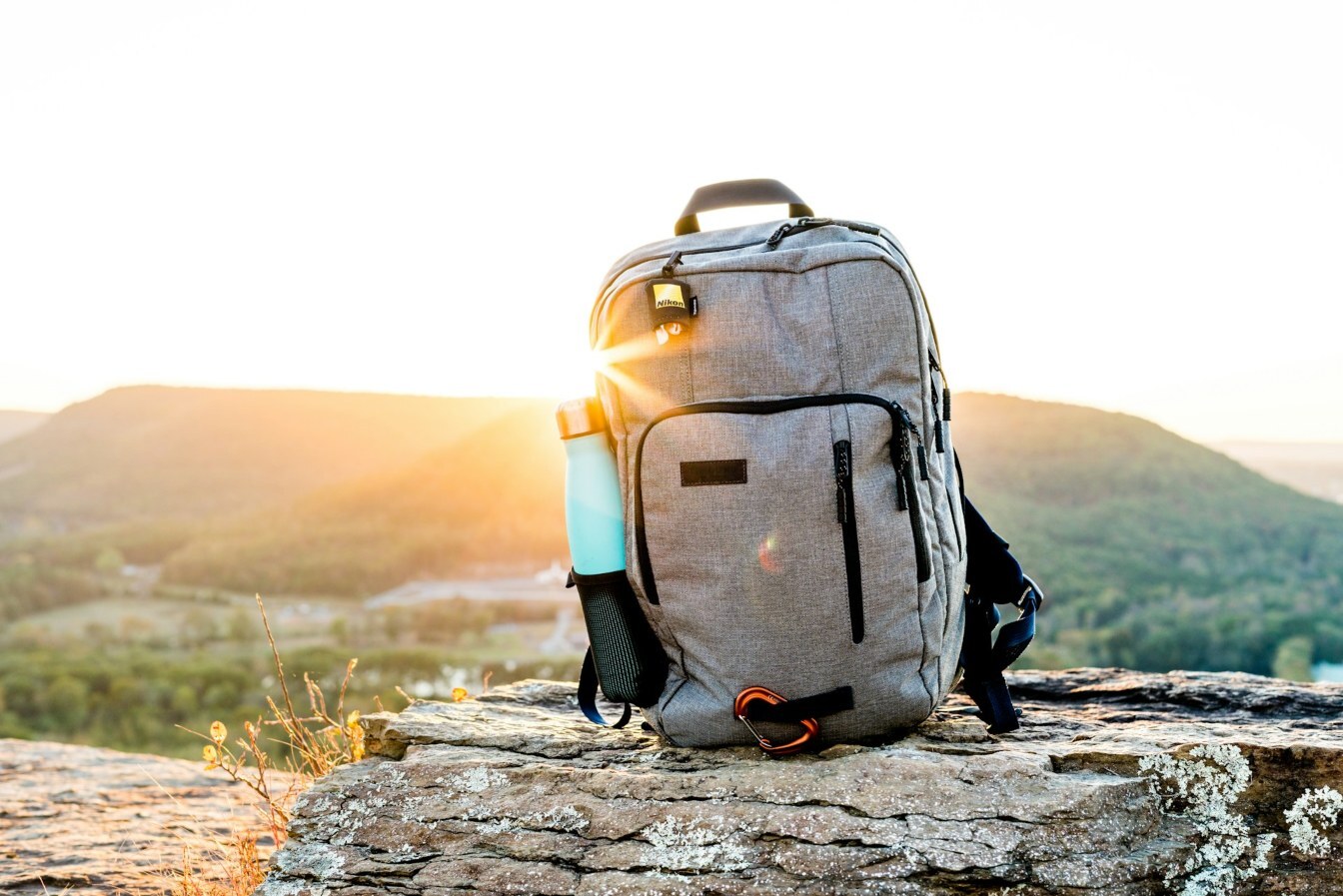
This is just a general hiking essentials list for beginners. You may want to add more items based on the weather and where you’re hiking. With practice and experience, you’ll fine-tune your packing list and method for your preferences. Stay safe on the trails with Army Surplus World!