
What Should You Bring Camping?
Posted by Kevin Green on Jul 4th 2026
Main Takeaways
- Ensure you get a restful sleep by packing a tent and a sleeping bag.
- Pack your camping stove, cookware, easy-to-prepare foods, and water purification for proper hydration and nourishment.
- You should always bring a first-aid kit to treat minor injuries such as burns and scrapes.
Whether you’re a first-timer or a camping veteran, it’s always a good idea to create a checklist of your essential camping supplies. No one wants to reach their destination, only to realize that yes, you did forget tent stakes.
So, what should I bring camping? It largely depends on your unique circumstances, such as your camping style and your local weather conditions. You’ll need very different supplies in the backcountry than you would in private campgrounds!
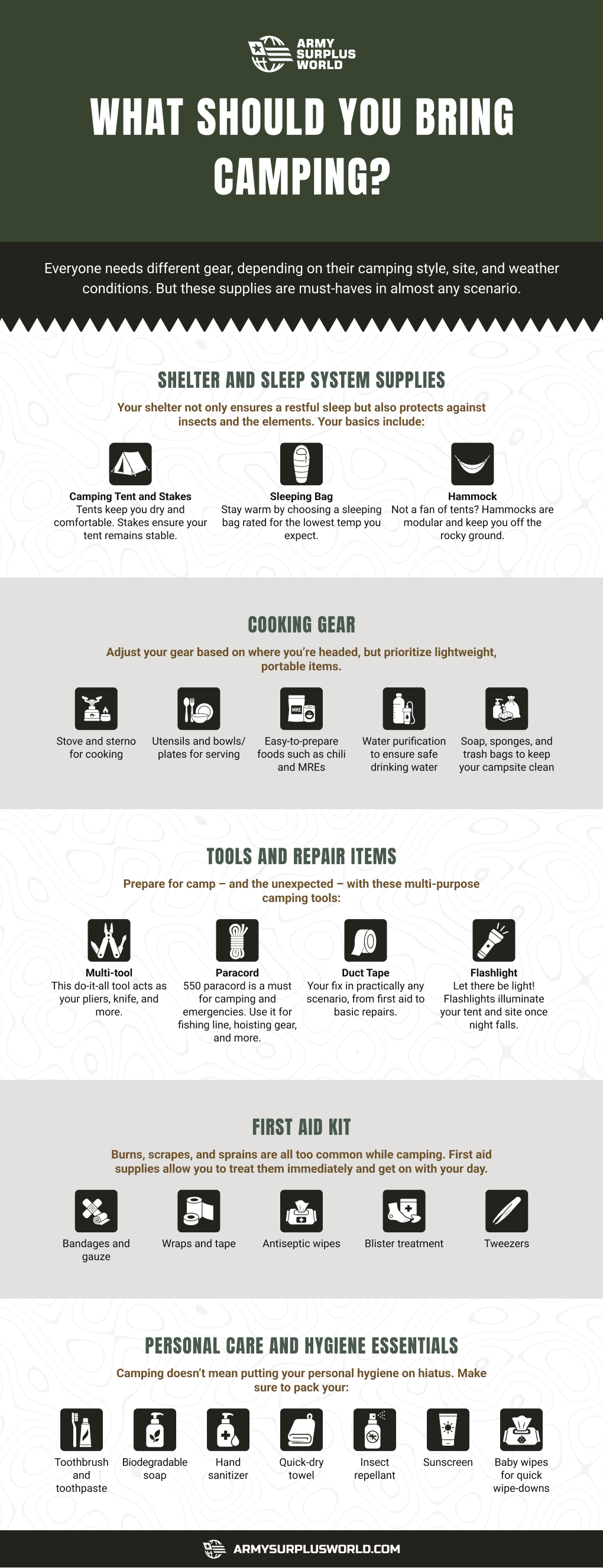
However, there are a few items we recommend packing for a more comfortable, convenient trip.
Shelter and Sleep System Supplies
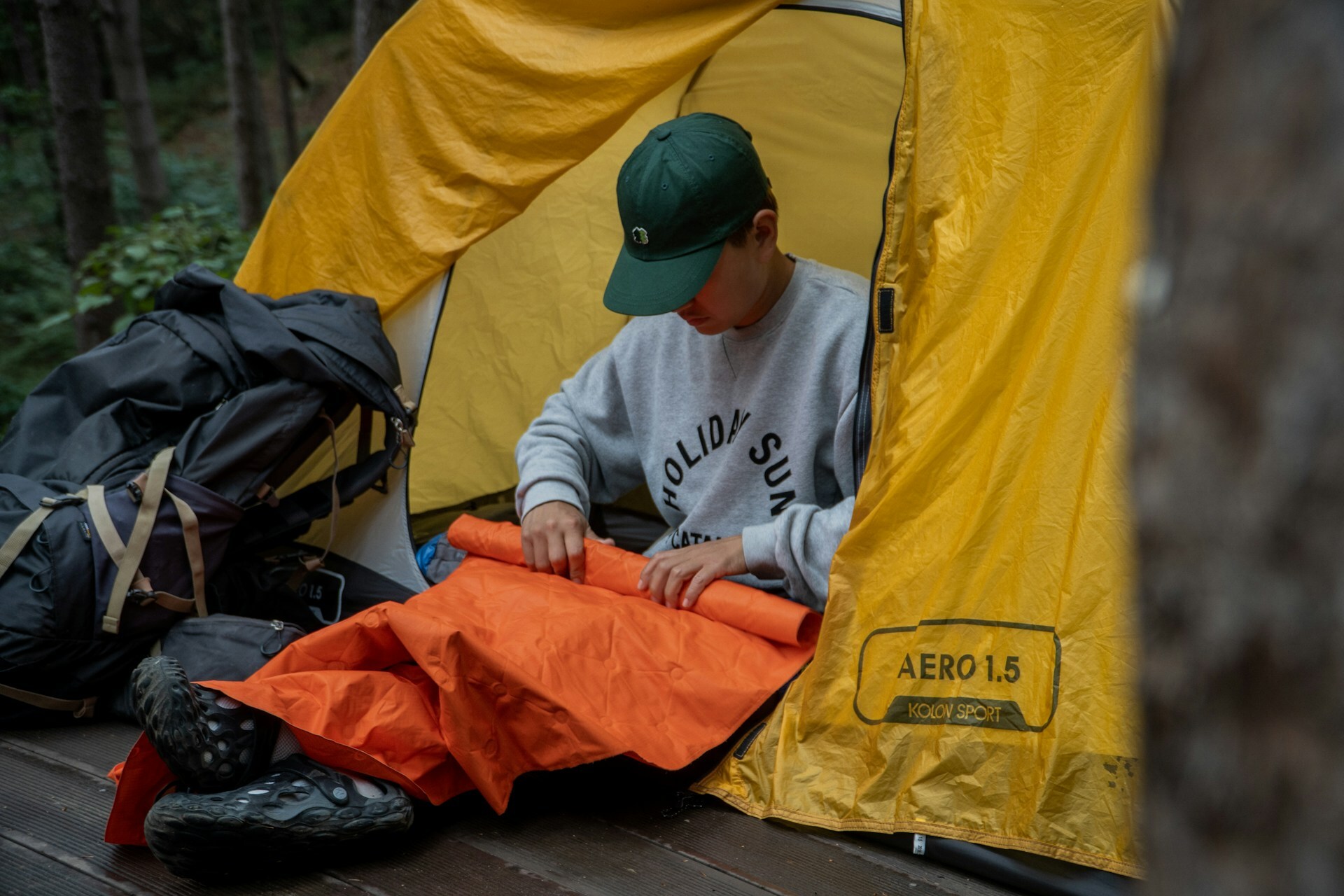
Shelter is a core component of camping. It’s your first line of defense against rain, wind, and other harsh elements. It’s your retreat from mosquitoes and other insects. And, after a long day of hiking and exploring, it ensures you get the restful sleep your body needs.
Are you asking yourself, ‘What should I bring camping?’ These essential camping supplies will get you started:
Camping Tent and Stakes
Choose a camping tent based on your needs. For example, you’d bring a lightweight tent or individual shelter system if you’re hiking to your site. Tent stakes will help anchor your tent and provide wind resistance.
Hammock
What should I bring camping if tents are uncomfortable? Many prefer to sleep in hammocks. They’re lightweight, modular, and often provide a more comfortable sleeping experience because they’re above hard rocks and insects.
Note: If you’re camping in a national park, check the park's regulations first. Many do not allow you to tie ropes to trees.
Sleeping Bag
Use a military sleeping bag that fits your personal comfort and size requirements. It’s also a good idea to choose one rated for the lowest temperature you expect to encounter.
Campsite Cooking Supplies
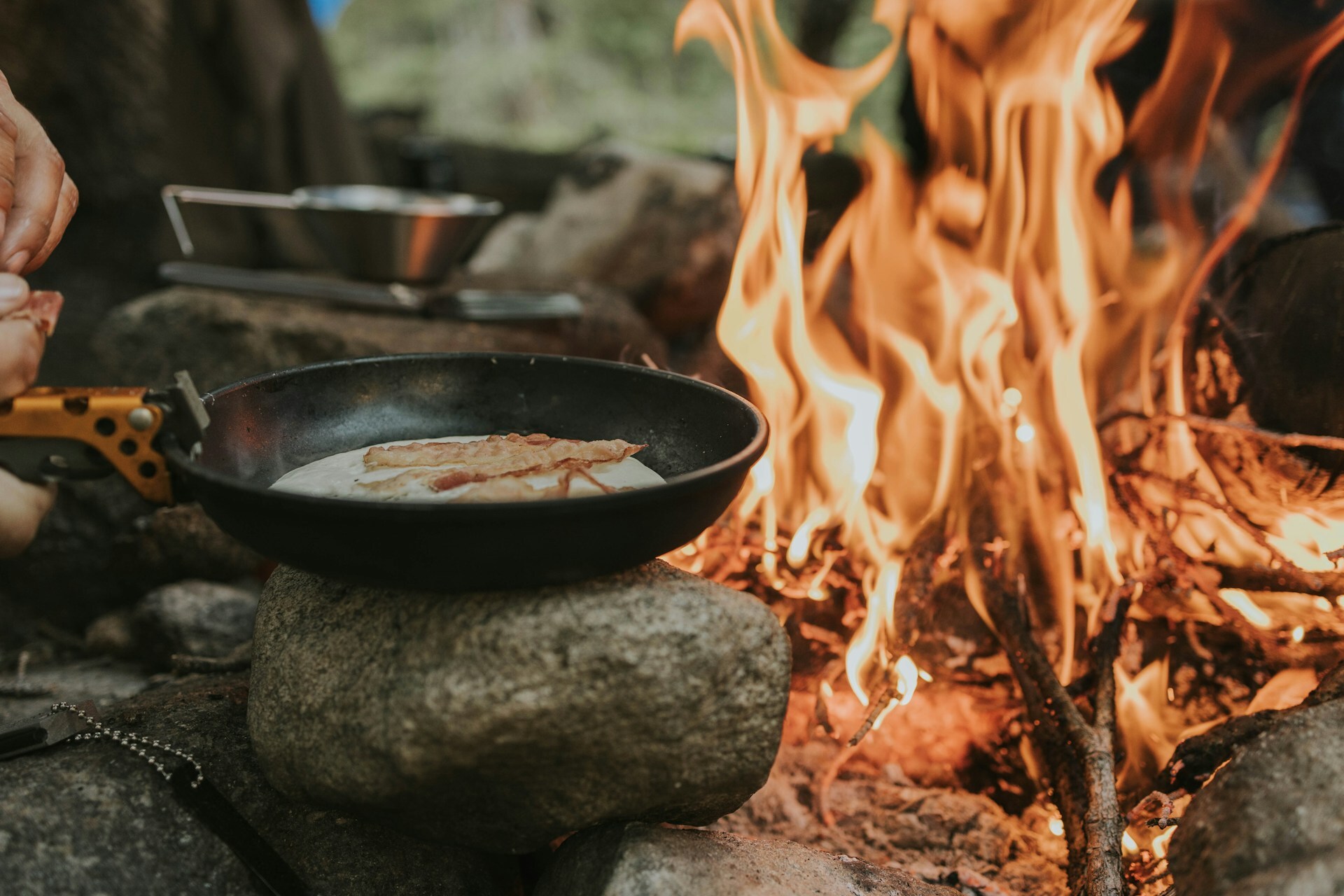
What food should I bring camping? What about cooking equipment? Do I need water?
Depending on where you’re headed, you should be selective with the cooking gear you bring. Not everything will fit in your military bag. Other gear will simply be too heavy to carry.
Stove and Fuel
Stoves and sterno are crucial for cooking your meals and cooking dehydrated meals, such as military MREs.
Cookware
You’ll want to bring cooking and eating utensils, plates or bowls, mugs/cups, and a can opener. Mess kits are extremely handy, offering a compact, portable collection of items such as utensils and a bowl.
Cleaning Supplies
Leave no trace! Make sure you pack supplies to keep your mess to a minimum, such as:
- Trash bags
- Wash bins – one for washing and one for rinsing
- Biodegradable soap
- Microfiber towels or rags
- Scouring pad or sponge
Food
Don’t wait until the last minute to ask yourself, ‘What should I bring camping?’ Focus on food that’s easy to prepare, such as chili. Pre-made meals help! Backcountry campers should focus on lightweight, calorie-dense, non-perishable foods like MREs and vacuum-sealed packets of chicken and tuna.
Water Purification
Most campgrounds provide potable, drinkable water. However, they may be subject to local boil advisories or have an ‘off’ taste. Whether you’re at campgrounds or in the wilderness, bringing water purification for your Army canteen ensures safety.
Tools and Repair Items
What else should I bring camping? You’ll definitely want camping tools. While they may seem much less important than items like your tent and camping stove, packing the right tools ensures you can not only set up camp but also that you’re prepared for the unexpected. Must-have items include:
- Multi-Tool: A multi-tool is your ultimate problem-solver while camping. It serves as your pliers for bending tent stakes, your knife for cutting rope and opening food packaging, and so much more.
- Paracord: Paracord rope is an indispensable tool for everyday campsite organization and emergencies. It can be used for fishing line, hoisting gear, adding guy-lines to keep your tent stable, and more.
- Duct Tape: Duct tape is a temporary fix in almost any situation, whether it’s patching holes in your tent or using it as a makeshift bandage.
- Flashlight: Lighting is crucial around the campsite after dark. Pack a camping flashlight or two to provide light in your tent, for night hiking/walking, and for general campsite illumination.
First Aid Kit
When it comes to camping supplies, few are more essential than first aid. These supplies allow you to treat common injuries like burns, scrapes, and minor sprains on the spot so they don’t ruin your trip. They’re even more crucial for campers in remote areas where professional medical help is limited or delayed.
Don’t have a kit? You can buy one or create your own. Here’s what you should bring on your camping trip:
- Bandages
- Gauze
- Wraps and tape
- Tweezers
- Antiseptic wipes
- Antibacterial ointment
- Blister treatment
- Antihistamine to treat allergic reactions
- Pain relief medication
Personal Care and Hygiene Essentials
Camping is much more comfortable with a well-prepared health and hygiene kit. But what should I bring camping? You should base your supplies on available resources, such as whether your campgrounds have modern bathhouses.
- Hand sanitizer
- Biodegradable soap
- Toilet paper
- Toothbrush and toothpaste
- Quick-dry towel
- Bug spray
- Sunscreen
- Medications
- Baby wipes for quick wipe-downs between washes
What Should I Bring Camping? Start Here.

Your essential camping supplies will depend on your location and weather conditions. However, they’ll typically always include first aid, cooking supplies, shelter, and multi-purpose tools. Missing something? You can rest easy knowing Army Surplus World has the high-quality, affordable camping gear you need.
A Final Note: Remember to abide by all local laws and campground regulations. Some items may be prohibited, such as glass containers (which can break) and sweet-scented toiletries (which can attract bears and wildlife). We suggest following the Leave No Trace Principles, which guide you in managing waste, campfires, and wildlife interactions.